
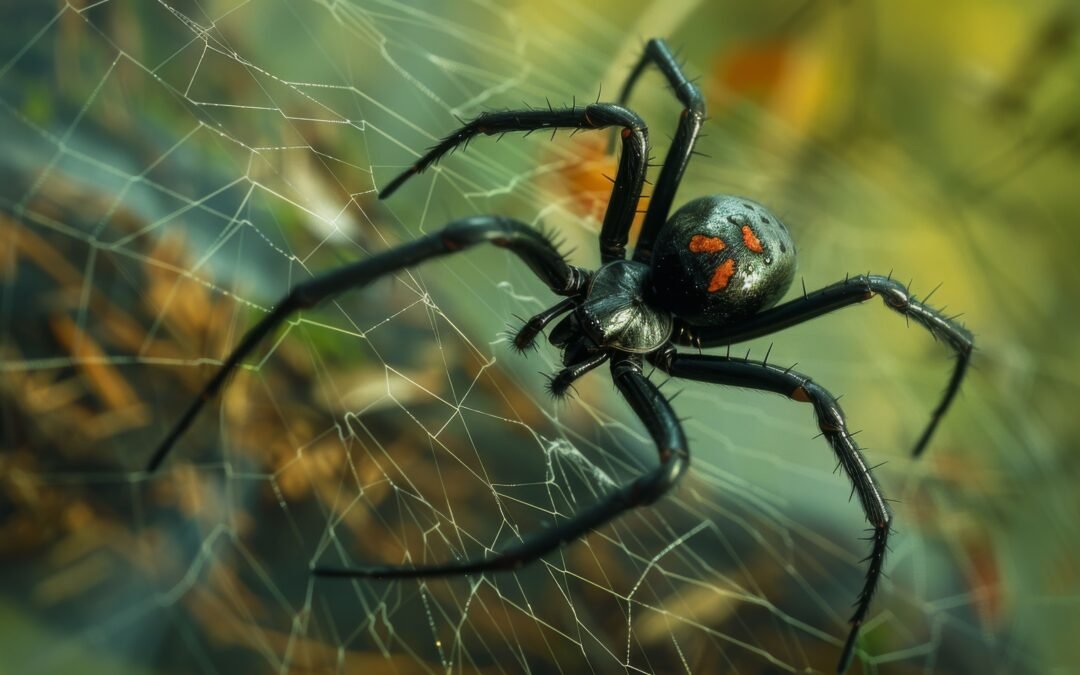
When most vacationers consider zombies, they consider the best haunted houses in Las Vegas, however on this case, it is even scarier than a haunted home. A fungus straight out of a horror film has been found, turning cave spiders into senseless “zombies” earlier than killing them.
First noticed in the course of the filming of a BBC nature documentary in Northern Eire, the parasitic fungus named Gibellula attenboroughii infiltrates spiders’ our bodies, hijacks their nervous programs, and forces them to desert their secure hiding spots earlier than dying.
Not less than we all know Northern Eire is not on the list of places to go if the world is about to end. If this virus makes the soar to people, it’d simply be the beginning of the tip of the world. This ghoulish relationship between fungus and arachnid helps researchers higher perceive evolutionary adaptation and will even supply clues for creating new medicines.
Let’s have a look at what this fungus does and why it is so vital to us people.

Associated
Rare and Protected, Lion’s Mane Fungus Found at a Nature Reserve in Canterbury, England
Lion’s Mane Fungus Performs a Beneficial Function in Our Planet’s Ecosystem
Likelihood Discovery Leads To A Nightmare Animal Relationship
BBC movie crew stumbles upon contaminated spider throughout documentary filming
The story of this nightmare-inducing fungus named after a celebrity begins in 2021 when a BBC manufacturing crew was filming the character documentary collection “Winterwatch” in Northern Eire. Whereas working at Citadel Espie, a wetland reserve, the crew seen one thing peculiar on the ceiling of an deserted Victorian gunpowder storeroom – a usually reclusive orb-weaving cave spider (Metellina merianae) fully uncovered, with its body overtaken by a fuzzy white growth.
The crew photographed the weird specimen, and the pictures finally reached Dr. Harry Evans, an emeritus fellow at CAB Worldwide, a nonprofit group specializing in environmental and agricultural analysis.
After inspecting the photographs, Dr. Evans suspected they’d found a brand new fungus species. Nevertheless, Dr. Evans’ discovery wasn’t the tip of proceedings. As a substitute, it was the beginning of a wider exploration.
Fungi taking up animals is nothing new. Most individuals are properly conscious of Ophiocordyceps and its potential to manage ants, making them unfold the spores to the remainder of their anthill.
A Fungal Outbreak: How Many Spiders Are Affected By The Parasite
It is greater than only one spider in an remoted incident
Anomalies occur sometimes within the animal kingdom, so recognizing a single orb weaver with fungus rising out of it wasn’t so odd. There are some quite strange animals within the animal kingdom, in any case. Nevertheless, when the BBC nature program aired, a cave explorer named Tim Fogg contacted Dr. Evans. He had some data that might blow the lid off this case.
Fogg reported seeing similar infected spiders in cave programs throughout Eire and Northern Eire, all positioned in unusually uncovered places – a vital clue that might assist scientists perceive the fungus’s manipulative results on its hosts.
|
Fungal Species Documented |
~ 150,000 |
|---|---|
|
In comparison with Current Species |
5% |
|
Household |
Gibellula |
How The Fungal Thoughts Management Works On Its Spider Victims
Chemical indicators drive spiders to depart their lairs
This is not some Jedi mind-trick or some fancy prestidigitation; it is all executed with chemical substances. Now, we ought to be grateful this factor would not try to manage the world’s deadliest spider, however nonetheless, it is spectacular what it does to the instincts of those orb weavers.
The method begins when fungal spores land on a spider. These spores penetrate the spider’s exoskeleton and multiply inside its physique, finally taking full management. Each contaminated spider species are sometimes shy, reclusive arachnids that favor to cover close to their webs in darkish corners. But researchers discovered all of the contaminated spiders uncovered on cave partitions and ceilings.
For individuals who surprise, sure, the spider was named in honor of the famed science educator, broadcaster, and naturalist, Sir David Attenborough.
Past Eire: Wider Distribution And Comparable Circumstances
Proof suggests the fungus could also be extra widespread
This is not simply remoted to Northern Eire, nevertheless. This zombie plague menace is spreading. Whereas G. attenboroughii was first documented in Eire, proof suggests it could have a broader distribution. Researchers suspect the identical fungus is likely to be answerable for contaminated M. merianae specimens noticed in Wales, the place spiders had been discovered on sphagnum moss surrounding rock fissures relatively than of their typical hiding spots.
One other just lately found instance is the Massospora cicadina fungus, which infects cicadas and turns them into what scientists descriptively name “saltshakers of dying” as they unfold spores when their abdomens explode. That is not a salt shaker anybody needs on their dinner desk.
What Does This Imply For Us As People?
It will not infect us, however it may result in issues that save us
Although the connection between G. attenboroughii and its spider hosts appears straight out of a nightmare, this discovery may in the end profit human well being. The supply system these fungi use might be a game-changer for drug launch mechanisms to deal with Alzheimer’s and different debilitating diseases.
The invention of zombie spiders in Eire highlights how a lot we nonetheless must be taught in regards to the fungal kingdom. Hopefully, the subsequent set of fungii researchers uncover aren’t attempting to enslave one other species.

Recent Comments